
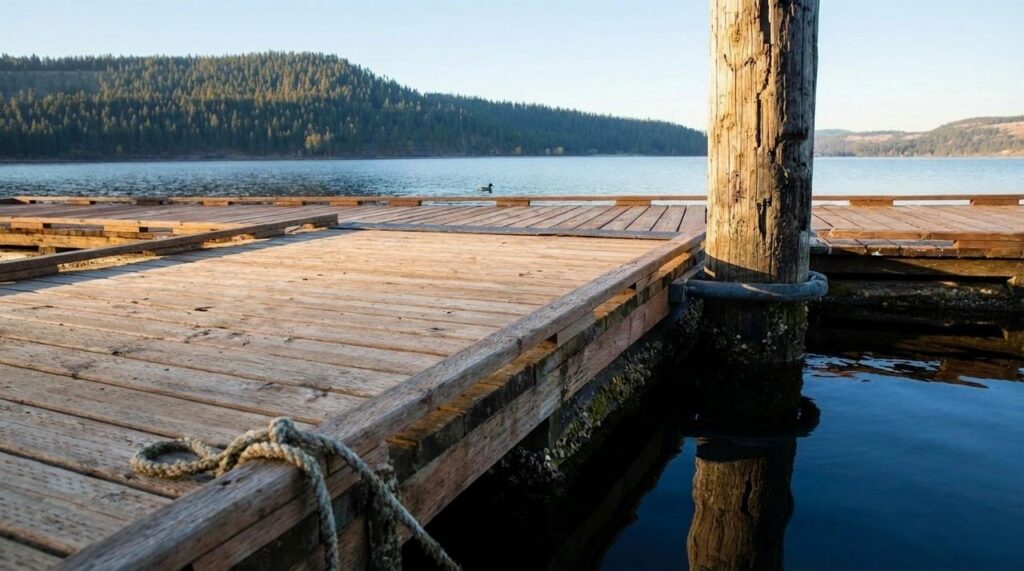
Discovering the Legacy of Floating Docks
Western Red Cedar floating docks have graced the scenic inland waters of northern Idaho, Montana, and Washington for generations. These structures embody both tradition and practicality, offering a unique blend of aesthetic charm and functional ingenuity. In this introduction, you will uncover how these enduring docks are engineered to withstand diverse weather conditions while accentuating the natural beauty of lakefront environments.
This guide outlines key aspects of these timeless constructions, including:
- Material Benefits: Western Red Cedar’s natural resistance to decay and moisture makes it an ideal choice for floating docks.
- Maintenance Essentials: Practical tips to protect against common issues like water damage and seasonal wear.
- Local Insights: Understanding how environmental factors in regions such as Coeur d’Alene and other Pacific Northwest locales influence dock upkeep.
By delving into these topics, readers will gain a comprehensive look at the balance between traditional craftsmanship and modern maintenance techniques. Whether you manage a vintage dock or own waterfront property, the actionable insights presented here will help you uphold the integrity and beauty of your dock while navigating practical challenges with confidence.
A Legacy Carved in Wood: The Cultural and Historical Impact of Western Red Cedar
Western Red Cedar has long been celebrated in the Pacific Northwest for its enduring strength and natural beauty. Its resilient nature made it an essential resource for Indigenous peoples, who skillfully transformed this timber into canoes, totem poles, and intricately woven structures. The wood’s natural resistance to decay not only provided practical benefits in the damp coastal climate but also imbued cultural artifacts with a lasting significance that transcends time.
Today, understanding the traditional uses of this cedar reveals valuable insights into sustainable craftsmanship. Key historical aspects include:
- Traditional Craftsmanship: Indigenous techniques emphasized respect for the tree, cultivating a balanced relationship with nature.
- Cultural Symbolism: Cedar played a central role in ceremonies, embodying spiritual strength and connection to the land.
- Sustainable Practices: The natural durability of Western Red Cedar continues to inspire modern eco-friendly construction methods.
Embracing this rich heritage can guide contemporary approaches in construction and maintenance, particularly for structures built along pristine coastal and lakefront settings in the Pacific Northwest. Learning from these enduring practices offers valuable lessons in balancing functionality with an appreciation for nature’s timeless gifts.
Floating Dock Evolution: Bridging History and Innovation
The transformation of floating dock designs in the Pacific Northwest is a journey through time and technological innovation. Once simple wooden platforms, floating docks have evolved into robust, environmentally adaptable structures that meet the demands of modern waterfront lifestyles. Iconic installations, such as the boardwalk at a renowned resort in Coeur d’Alene, illustrate how design is marrying functionality with aesthetic appeal.
This evolution is marked by:
- Enhanced Durability: Modern materials offer increased resilience against water and weather.
- Innovative Engineering: Floating mechanisms now provide greater stability, even under extreme conditions.
- Sustainable Practices: Eco-friendly treatments are being integrated to preserve both the dock and surrounding waterways.
Understanding these advancements helps dock owners and maintenance professionals address common challenges, such as material fatigue and seasonal wear. With a focus on proactive care and regular upkeep, a well-designed floating dock not only elevates the property’s visual appeal but also serves as a safe harbor in ever-changing conditions. Embracing these insights ensures that whether you’re maintaining a historic structure or planning new installations, your dock remains a timeless asset that stands the test of time.
Discovering the Enduring Strength of Western Red Cedar
Western Red Cedar boasts a natural resilience that makes it an exceptional material for dock applications. Its inherent resistance to decay, moisture, and insect damage creates a dependable structure that stands up to the harsh conditions of waterfront environments. The wood’s unique cellular makeup, enriched with natural oils, plays a key role in reducing the effects of constant water exposure and fluctuating weather patterns.
In addition to its natural durability, Western Red Cedar offers several benefits that are crucial for maintaining strong and safe docks:
- Moisture Regulation: The wood’s ability to shed water helps prevent warping and cracking over time.
- Lightweight Structure: Its low density facilitates easier installation and maintenance without sacrificing strength.
- Aesthetic Appeal: The warm, distinctive color and fine grain provide an appealing, yet functional, look suitable for both modern and traditional designs.
For waterfront properties in regions with varying climates, such as lakeside communities or coastal areas, understanding these characteristics is vital. With proper care and regular inspections, Western Red Cedar docks continue to perform reliably, offering an excellent balance between form and function, while inspiring confidence in long-term durability.
FAQ: Expert Cedar Dock Maintenance
Q: How often should I inspect my cedar docks?
A: A biannual inspection is ideal. Check for early signs of moisture damage, loose fasteners, and surface wear to prevent minor issues from evolving into costly repairs.
Q: What routine maintenance practices extend dock longevity?
A: Regular cleaning, light sanding, and periodic reapplication of water-repellent sealants are key. Addressing decay and treating high-use areas early helps protect your structure.
Q: How do seasonal changes impact cedar dock performance?
A: Fluctuating temperatures and humidity can lead to wood expansion and contraction. Monitoring during transition periods, especially in regions like Coeur d’Alene and the broader Pacific Northwest, is essential.
Q: Which protective products work best for cedar surfaces?
A: Marine-grade sealants paired with UV-resistant coatings enhance resistance against moisture and sun exposure, ensuring long-lasting durability.
Q: Are DIY maintenance tasks feasible for cedar docks?
A: Yes, with the proper tools and guidance. Simple steps like cleaning, minor repairs, and routine inspections can significantly prolong your dock’s life.
Maintaining cedar docks requires regular care tailored to local weather conditions. Following these proactive steps not only preserves the natural beauty of your dock but also ensures a safe, reliable waterfront asset for years to come.
Embracing a Legacy of Durability and Beauty
As we conclude the exploration of Western Red Cedar floating docks, it’s clear that these structures embody both enduring style and resilient performance in the Pacific Northwest. Their timeless design offers unmatched benefits—from natural resistance to decay to superior longevity, ensuring your dock remains an inviting asset for leisure and utility.
Key takeaways include:
- Cost-effective upkeep through proactive, routine inspections
- Eco-friendly innovations that balance sustainability with durability
- Enhanced performance achieved by integrating modern maintenance techniques with traditional craftsmanship
With routine attention, cedar docks remain safe, stable, and visually appealing for generations. At Coeur d’Alene Dock LLC, we specialize in the inspection, repair, and restoration of traditional cedar log docks, hybrid systems, and modern floating platforms throughout northern Idaho, eastern Washington, and western Montana. Our team understands the unique demands of these regional waters and sources materials responsibly to honor the heritage of cedar dock building.
If you own a cedar dock on Lake Coeur d’Alene, Priest Lake, Hayden Lake, or nearby waters and would like a professional assessment, maintenance plan, or repair consultation, please contact us. Preserving these iconic waterfront features is both a practical necessity and a way to honor the natural and cultural legacy of the Pacific Northwest. We look forward to helping your dock continue serving your family for decades to come.